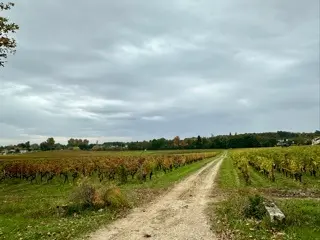
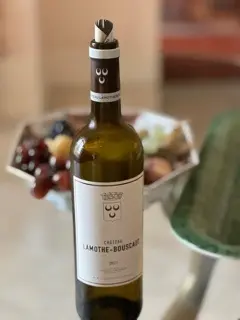
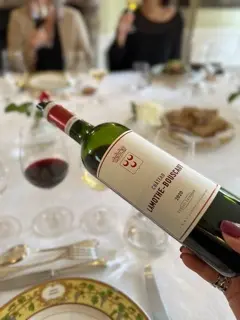
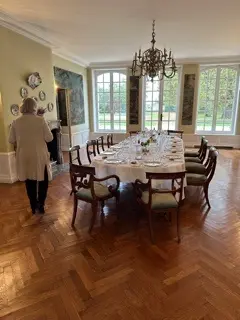
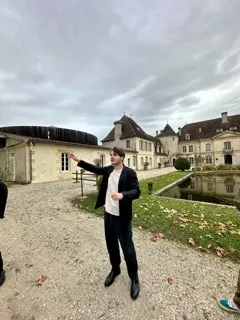
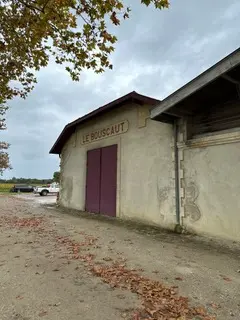
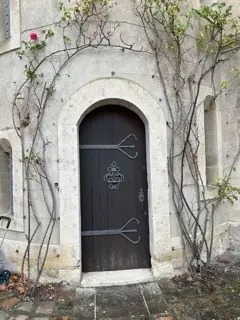
The vineyard dates back to the 17th century in the village of Cadaujac, located in the Pessac-Léognan region, a sub-production area of Graves. It was first called Haut-Truchon and named Château Le Bouscaut after the village's name in 1881. Around this period, the neighbouring estate, Château Valoux, was attached to the property.
In the thirties, Château le Bouscaut was cited as a model by the Chamber of Agriculture, and a racehorse named Château Bouscaut won many prizes in coveted yearling races.
The Château was awarded the envied status of Grand Cru Classé de Graves in 1953. A total of 16 wineries were rated as classified wineries, among which only six wineries were classified for both red and white wines, and Château Bouscaut is one of them.

However, in early 1962, the château was destroyed by a fire, while the cellars fortunately remained untouched by the flames. The owner, Victor Place, sold the chateau to a group of investors from New York in 1968 after it had undergone reconstruction. The New York group hired Chateau Haut-Brion to manage the winery. After ten years, the château was acquired by Lucien Lurton in 1979, who already owned at least ten other prestigious Châteaux in appellations such as Margaux (Brane-Cantenac, which he first inherited in 1954) or Barsac (Climens). Lurton had seen the potential and exceptional terroir of Bouscaut.
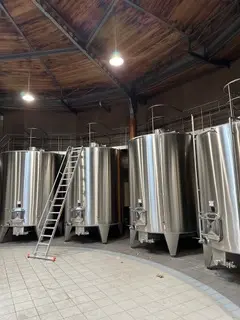
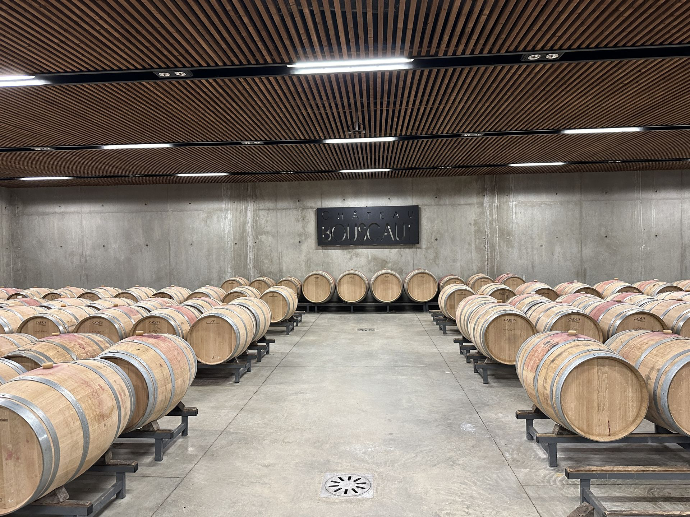
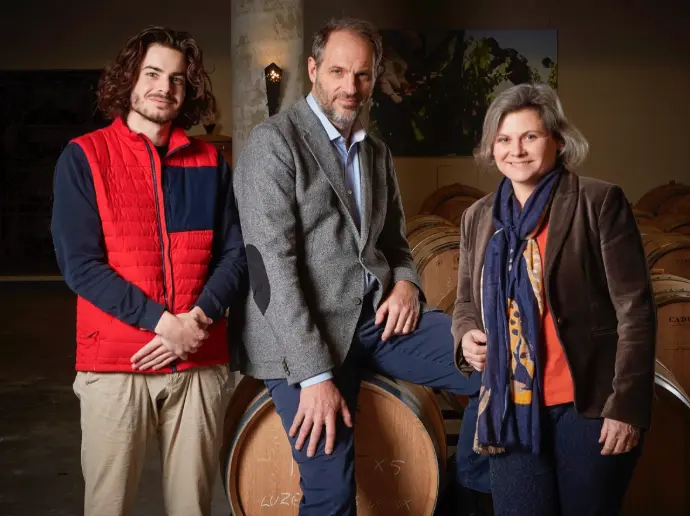
Lucien Lurton, a famous Bordeaux winemaker, added Bouscaut to the list of great growth estates he acquired during that decade. Sophie Lurton, Lucien’s daughter, inherited the estate in 1992 and has managed it for the past thirty years with her husband, Laurent Cogombles. Numerous improvements have been made in the cellars and vineyards. Laurent Cogombles, was the President of Appellation Pessac-Leognan from 2005-2017.
Sophie and Laurent Cogombles acquired Château Lamothe-Bouscaut in 1999, intensifying efforts to improve the vineyards in line with environmental concerns and providing Bouscaut with the means to produce exceptional white and red wines.
And now, their son Armand Cogombles is a new generation in the château. However, they maintain the philosophy of "Integration into the environment and respect for tradition".
Products
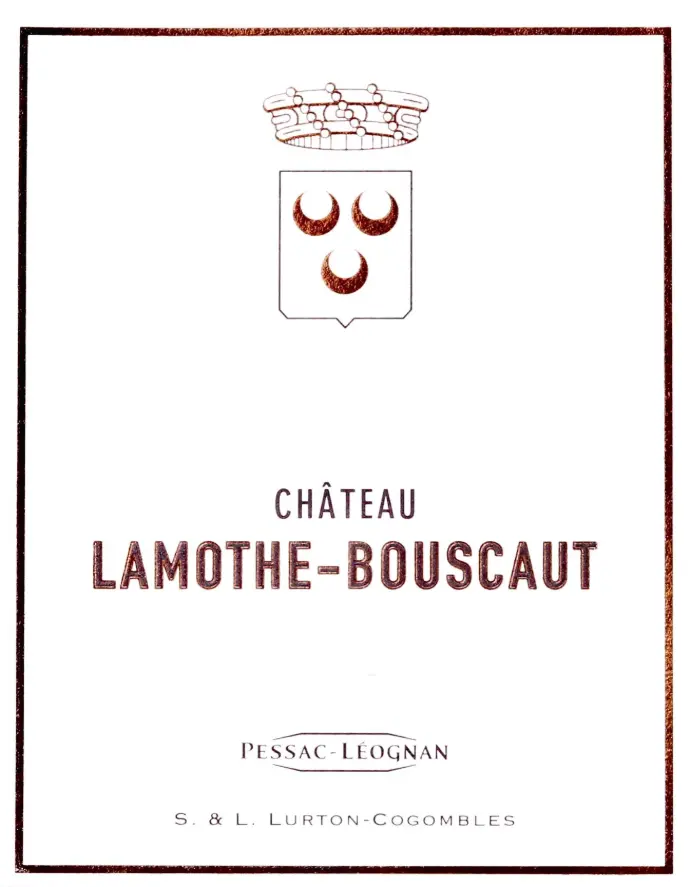
LAMOTHE-BOUSCAUT
Blanc 2020
The 2020 vintage was undoubtedly one of the most challenging in recent history. The COVID pandemic that began in 2019 continued to ravage 2020 with everything from picking, tastings and ultimately sales affected. Perhaps because of this, most of the winemaker was focused and took care of the grapes to produce the best vintage of 2020.
James Suckling: 91-92/100
A solid white with cooked apple and lemon rind. Some stony undertones. It’s full-bodied and thick, yet structured, with layers of phenolics that give form and tension to the wine.
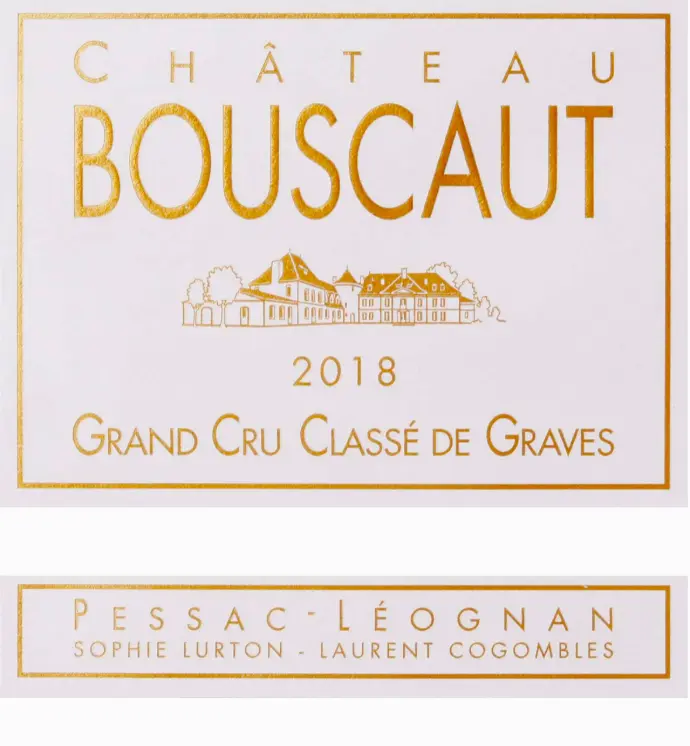
BOUSCAUT
Blanc 2018
Despite initially challenging weather, the 2018 Bordeaux vintage was excellent, possibly even legendary. In the Pessac-Léognan region, the wines were outstanding, with some exceptional ones made.
James Suckling: 94/100
Hawthorn, Pomelo, Lime-curd, Green-mango, Bitter-almond and Acacia-honey aromas. It’s medium to full-bodied with Tangy acidity and creamy layers. Flavorful with Fantastic tension and minerality, well done. Drink or Hold.
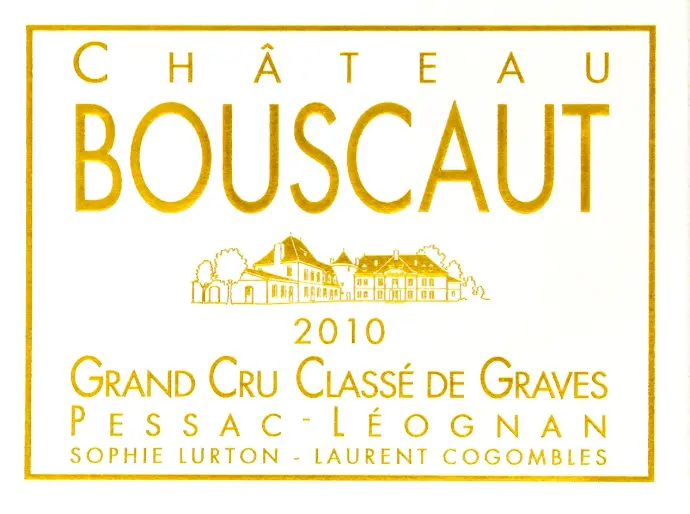
BOUSCAUT
Blanc 2010
The 2010 vintage had some evident highlights in both Europe and the New World. Despite a cooler-than-normal growing season, France enjoyed a spectacular year, with legendary wines from Bordeaux, Sauternes, and the Rhone Valley, as well as brilliant wines from Burgundy, Beaujolais, Loire and Alsace. Only the Champagne region suffered in the chillier conditions.
Wine Enthusiast –
Roger Voss: 91-93/100
Full-bodied wine, with toast and an intense citrus and herbaceous character. The wine is open, soft, generous, finishing with a very spicy character.
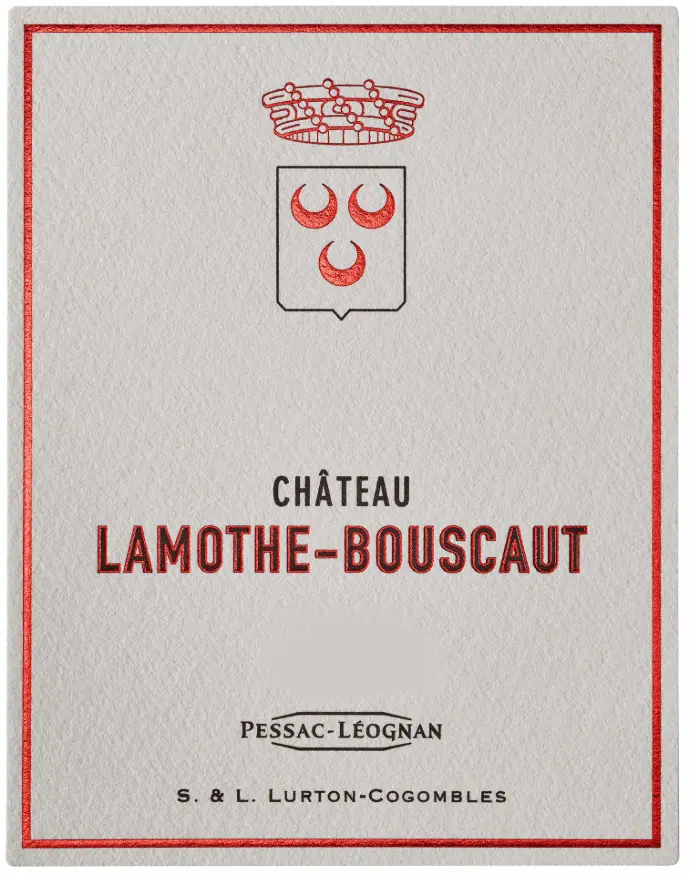
LAMOTHE-BOUSCAUT
ROUGE 2020
In France, the 2020 Bordeaux vintage was particularly disrupted by the pandemic, as COVID-19 halted the regular tastings and events surrounding the En-Primeur campaign. However, despite the complications arising from COVID, the Bordeaux vintage is looking surprisingly promising.
Neal Martin: 91/100
The 2020 Lamothe-Bouscaut has a pretty intense nose of blackberry, raspberry coulis and light minty aromas, charming and well-defined. The vibrant palate is medium-bodied with crisp, slightly chalky tannins and a subtle marine influence, gently fanning out toward the finish. This is a gutsy Pessac-Léognan that shows promise.
LAMOTHE-BOUSCAUT
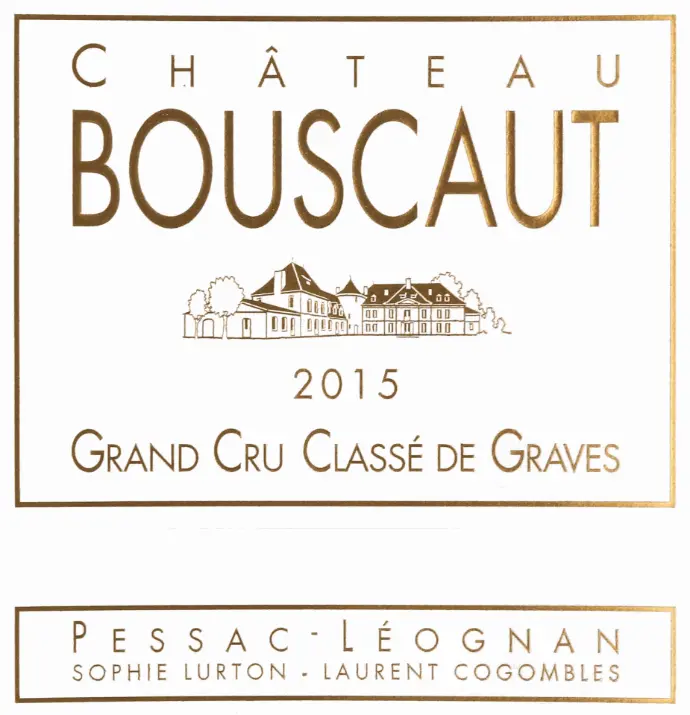
ROUGE 2015
The 2015 vintage was an excellent year for wine, and buyers are spoilt for choice. Europe experienced an intensely hot summer, and many regions were affected by drought. However, luck seemed to be mainly on the growers’ side, as the majority managed to pull through, delivering wines that were often stunning. In France, nearly every top region had either a great or legendary year. Bordeaux, Burgundy, Rhone, Loire, Alsace, Champagne and Sauternes all excelled, and there are plenty of excellent options at a range of price points for both drinking now or laying down.
James Suckling: 94/100
Stylish cedar and lightly toasted spices mingle with ripe cherries, blue plums and violets. The palate is supple and charmingly fleshy, and dark cherries into the deep, suave finish. Impressive.
LAMOTHE-BOUSCAUT
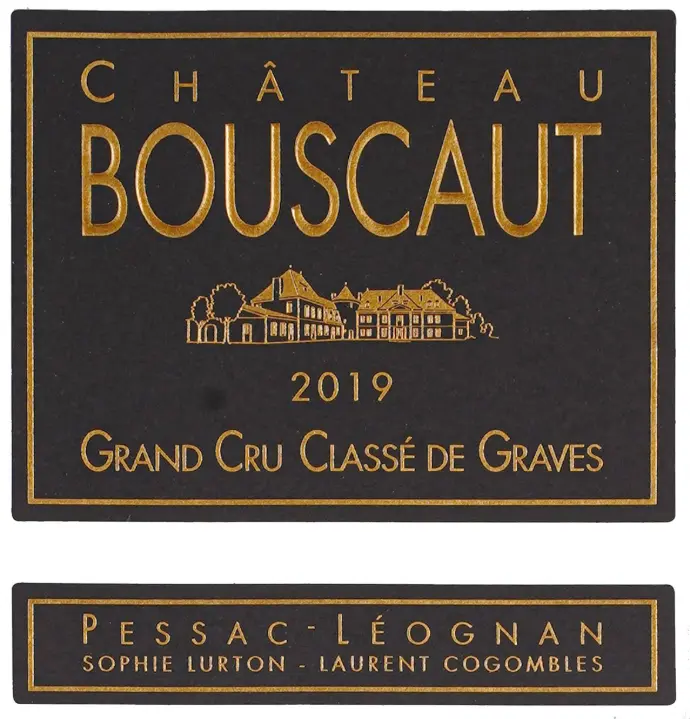
ROUGE 2019
It is generally too early to be definitive about the 2019 vintage; however, due to the hot summer – it was the second-hottest year on record, globally – there are likely to be some brilliant wines.
In France, the Bordeaux vintage is expected to be very good, as are the other regions. Overall, the 2019 vintage in Europe appears to be consistently good across the board.
James Suckling: 94/100
Impressive, with aromas and flavours of blackcurrant, chocolate, and black olive. Imposing richness and softness to this with well-defined tannins.